
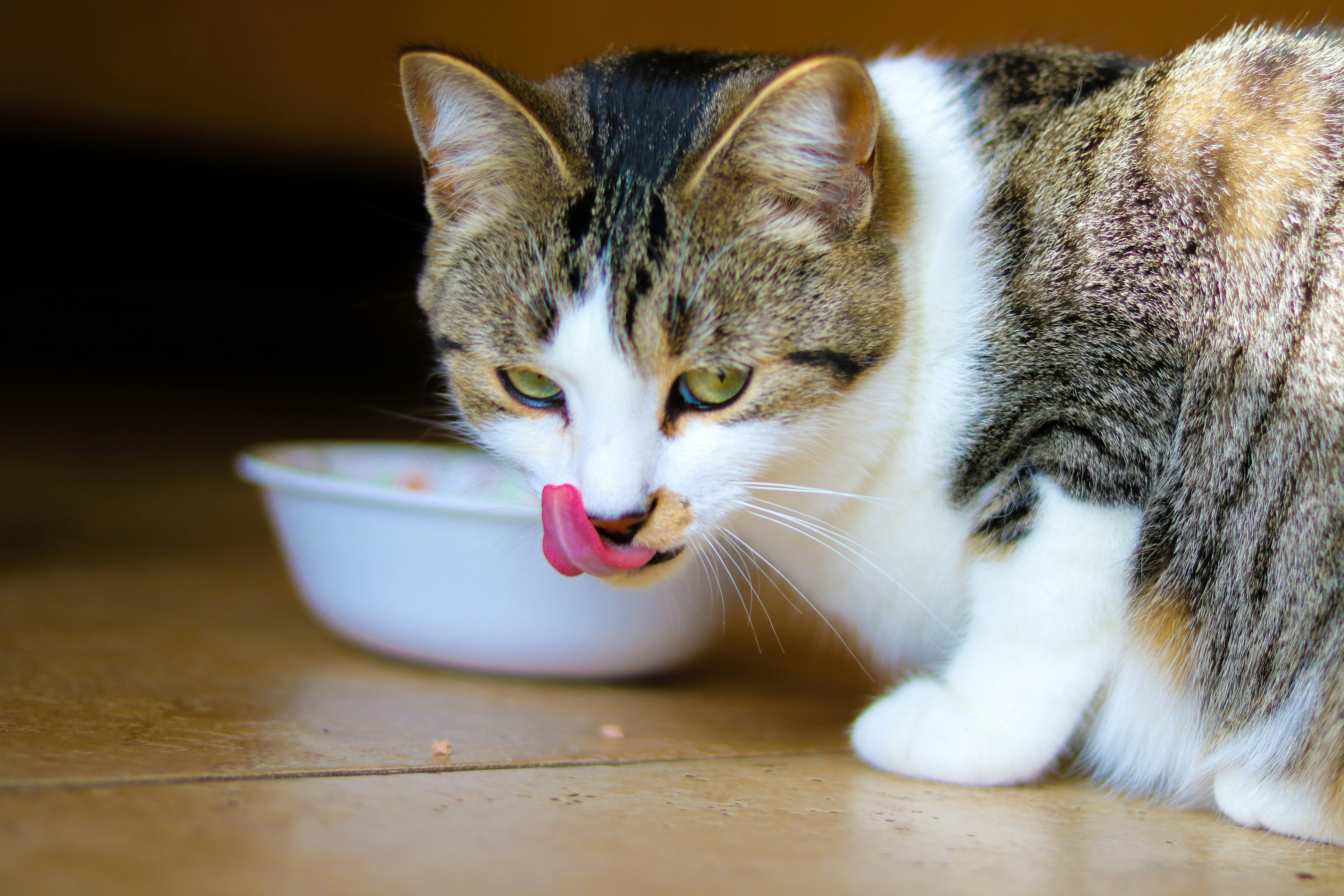
Just two weeks of switching to wet food can transform your cat's hydration more than you imagine.
Hydration is a key factor in the health of adult cats, as their low voluntary water intake can affect both kidney function and digestion. Wet cat food, thanks to its juicy texture and high palatability, promotes fluid intake and helps prevent urinary problems. Incorporating wet feline food into the diet, even in small amounts alongside dry food, facilitates the absorption of essential nutrients and promotes proper digestion. The variety of textures and aromas of wet food stimulates appetite and helps maintain healthy eating habits, especially in cats prone to rejecting dry food. For these reasons, wet food holds a significant place in the nutrition and well-being of adult cats.
Nutritional benefits of wet food
The composition of wet cat food stands out for its high water content, which usually reaches between 75% and 80%. This proportion, compared to the typical 7%-10% of dry food, offers a clear advantage: it facilitates feline hydration directly and consistently, something especially valued in adult cats with a low instinct to drink.
Many formats of wet feline food offer high-quality proteins, in levels ranging between 8 and 12 grams per 100 grams of product. This source of essential nutrients is fundamental for muscle development, tissue maintenance, and cell regeneration. Additionally, feline digestion is favored by the soft texture and low caloric density of wet food. In cats with sensitive digestion or a tendency to obesity, the inclusion of these foods allows for a balanced diet without sacrificing nutritional intake.
Another relevant aspect: the greater palatability and aroma of wet food stimulate voluntary consumption, which can be decisive in picky eaters or during recovery periods. For example, after minor surgery, owners have reported that their cats regain interest in food sooner when offered a diet rich in moisture and intense flavor. However, it's important to monitor the proportion of appropriate portions and avoid excessive energy intake, as overfeeding can unbalance the diet and create unhealthy eating habits.
Impact on the cat's overall health
Wet cat food promotes optimal hydration, reducing the risk of urinary crystals and episodes of cystitis, especially in adult cats with low voluntary water intake. Studies show that a wet diet can decrease the incidence of urinary problems by up to 30% in six months.
Moreover, its lower caloric density and greater volume help control body weight, facilitating the prevention of obesity in indoor cats without compromising the intake of essential nutrients. However, it is crucial to adjust portions and have veterinary supervision, especially in cases of mixed feeding, to avoid energy deficits.
The soft texture of wet food improves acceptance and facilitates intake in older cats or those with dental issues. To avoid digestive disturbances, a gradual transition from dry to wet food is recommended, mixing both for 7-10 days.
Practical considerations and recommendations
In the feeding routine of an adult cat, incorporating wet food requires attention to both the daily amount and the timing of the offering. A common scheme involves dividing the total ration into two or three servings, avoiding exposing the food to room temperature for more than 30 minutes to prevent spoilage and loss of palatability. For example, a standard ration ranges between 40 and 60 grams of wet food per 2-3 kg of body weight, adjusted according to activity level and if combined with dry food.
Mixed feeding is a frequent alternative: dry food in the morning and wet food at night to take advantage of the benefits of both formats. However, the sum of both portions must respect the cat's individual caloric requirement; an excess can trigger overweight, especially if snacks are not monitored. To avoid this, it is advisable to weigh the daily amount of food and record eating habits during the first week of change.
An important detail: the texture and temperature of the food influence acceptance, especially in selective cats. Slightly warming the wet food before serving (about 10 seconds in the microwave, until reaching room temperature) can enhance the aroma and improve palatability. As a precaution, uneaten leftovers should be refrigerated and discarded within 24 hours to prevent bacterial growth.
Conclusion
Integrating wet food into the feline diet requires a balance between nutritional quality, hydration, and adaptability to the habits of the adult cat. This process not only contributes to better digestion and prevention of urinary problems but also enhances food acceptance thanks to its superior texture and palatability. The key is to observe the individual response and adjust the diet considering the context of each animal.