
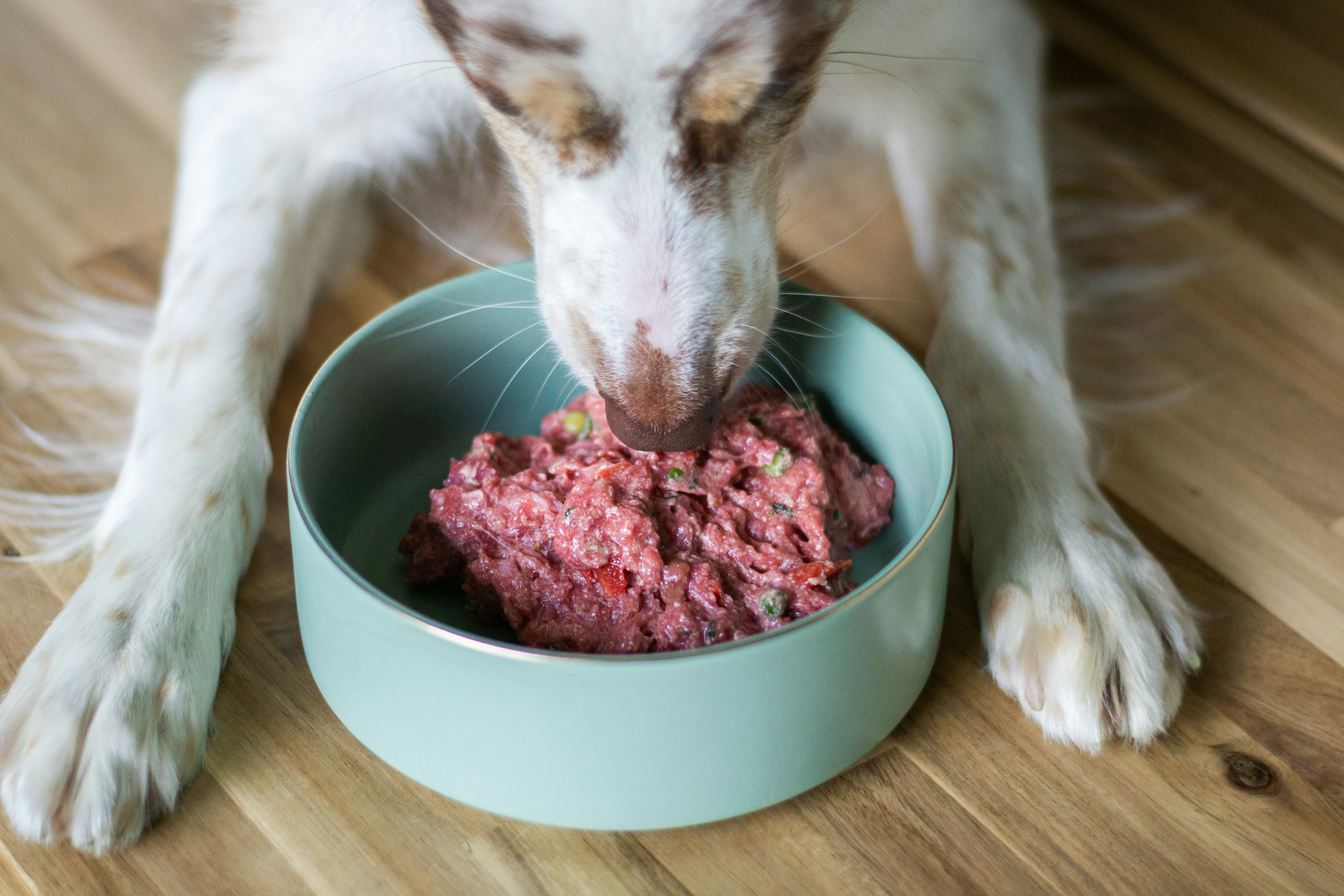
Only 18% of dog owners have tried the BARF diet in the last two years, and the results are changing how we feed our pets.
Introduction to the BARF Diet for Dogs
In practice, the BARF diet—an acronym for Biologically Appropriate Raw Food—describes a natural feeding approach for dogs based on a combination of fresh foods, such as raw animal proteins, meaty bones, suitable vegetables, and safe fruits. This alternative arises in response to concerns about processed ingredients in conventional kibble and the interest in offering nutrition closer to that of the ancestors of domestic dogs.
Unlike traditional feeding, the BARF diet aims to mimic the ancestral menu of canines, promoting appropriate portions and the integration of natural supplements when necessary. For example, a 20-kilogram dog might consume about 400 grams of lean meat daily, accompanied by 80 grams of assorted vegetables and small amounts of fruit. The key is to maintain healthy canine digestion and balance the nutrients in each portion, paying attention to the dietary transition to avoid digestive issues.
An important detail: this process requires controlling hygiene and handling raw products with specific sanitary precautions. The popularity of the BARF diet has increased partly thanks to the support of some animal nutrition specialists, who observe measurable improvements in the vitality and overall condition of dogs after the gradual transition to the new feeding scheme.
Basic Principles of the BARF Diet
The BARF diet is based on providing dogs with biologically appropriate raw food, composed of animal proteins (lean meat or offal, 60-70%), raw meaty bones (10-20%), suitable vegetables (10-15%), safe fruits (5-10%), and, in smaller amounts, natural supplements recommended by the veterinarian.
The daily portion is usually calculated as 2-3% of the dog's body weight, adjusted according to age, activity, and physical condition. For example, a 30 kg dog needs between 600 and 900 grams of barf food for dogs per day, divided into two meals. Only raw meaty bones suitable for the size of the animal should be offered; cooked bones are contraindicated due to the risk of obstruction or dental fracture.
The transition to the barf diet should be gradual to promote canine digestion and avoid discomfort such as diarrhea. Some vegetables, like broccoli or spinach, require light cooking before being offered to improve digestibility and reduce antinutrients.
Benefits and Important Considerations
A diet based on fresh and raw ingredients, like the BARF diet, can promote more efficient digestion in sensitive dogs. This is observed in the reduction of stool volume and odor, as well as an improvement in the coat after 2-3 weeks of the change. It is common for the biologically appropriate raw diet to increase palatability, making dogs with little appetite show more interest in their meals.
However, the transition to natural feeding for dogs requires caution. Handling raw meats and bones involves a microbiological risk; surfaces and utensils must be disinfected after each use, using hot water and soap, to reduce the possibility of contamination. Additionally, not all dogs respond the same: those with pre-existing conditions or weakened immune systems may need a slower adaptation or a prior veterinary review.
Nutritional balance is another key aspect. Excess offal, for example, can cause soft stools or mineral imbalances. Therefore, the canine barf diet should be adjusted periodically, especially if changes in weight, energy, or coat condition are observed. As a practical nuance, some owners choose to freeze individual portions for at least 48 hours to prevent parasites, a detail that adds safety to the process.
Basic Tips for Implementing the BARF Diet
The transition to the biologically appropriate raw diet should be gradual to avoid digestive problems. During the first week, it is advised to mix raw lean meat (such as boneless chicken breast) with the usual food, increasing the proportion of fresh ingredients according to the dog's tolerance. If soft stools or rejection appear, it is recommended to reduce offal and offer only animal proteins and suitable vegetables in small amounts.
To ensure balanced nutrition in natural feeding for dogs, a basic proportion is suggested: 70% animal proteins (meat, fish, egg), 10% ground meaty bones, 10% chopped vegetables (e.g., carrot, zucchini), and 10% offal and safe fruits. Alternating protein sources, like chicken, beef, and fish, twice a week, provides a variety of nutrients.
Weighing ingredients with a digital scale allows for adjusting the appropriate portions, which usually equate to 2-3% of the adult dog's body weight, with possible adjustments for puppies or active animals. It is essential to avoid cooked bones and seasonings, as they can affect canine digestion. Consulting a veterinarian before starting the dietary transition helps define the most suitable scheme and detect restrictions.
Conclusion
Adopting natural feeding for dogs requires understanding the transition process, the appropriate selection of ingredients, and the importance of balanced nutrition at each stage. Although the biologically appropriate raw diet offers potential benefits, the individuality of each animal demands specific adjustments according to their age, weight, and health status. An additional point: periodic consultation with a veterinarian ensures that the canine barf diet remains safe, adapted, and aligned with the dog's particular needs.