
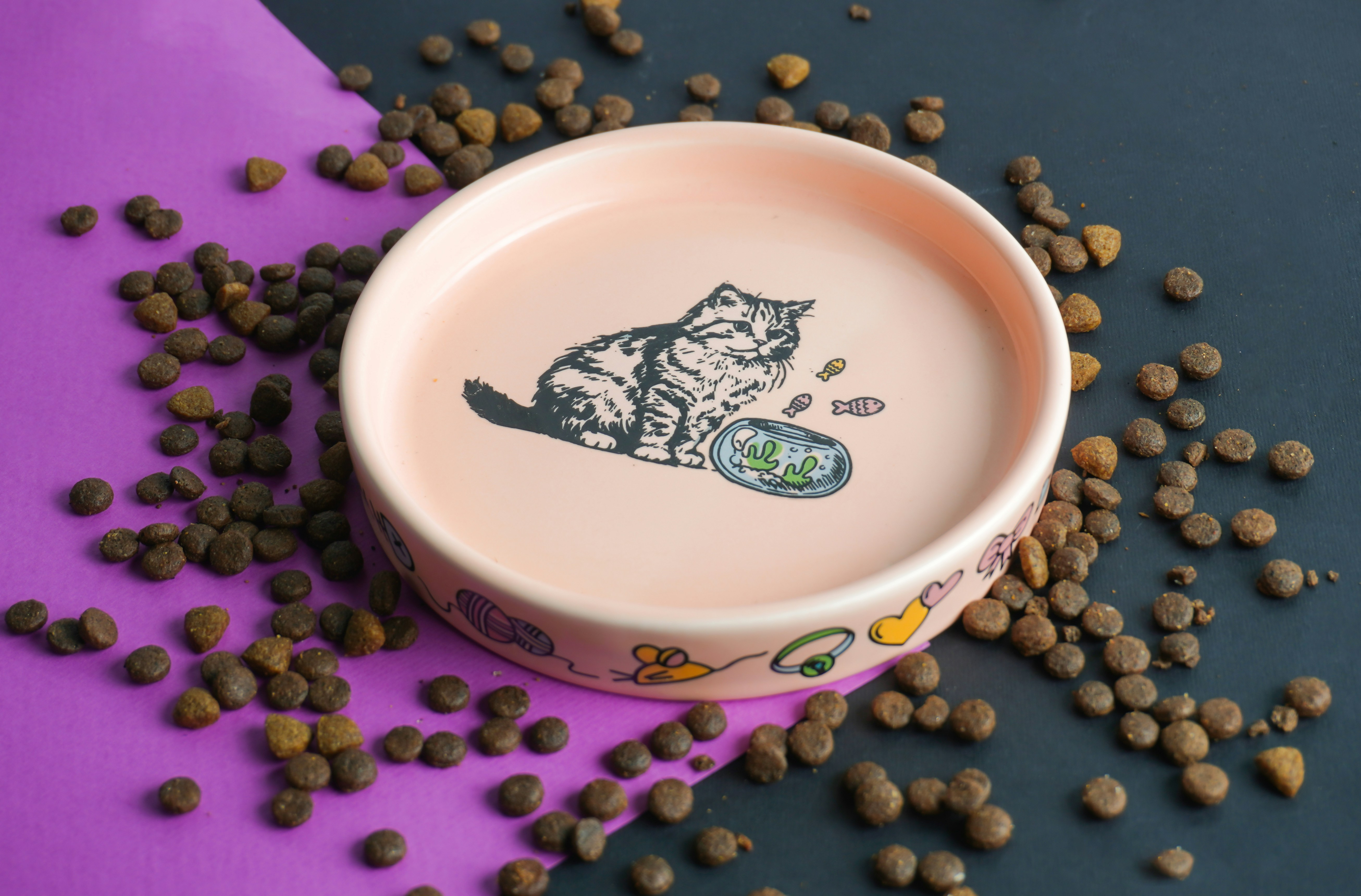
Why Suddenly Changing Your Cat's Food Can Cause More Problems Than You Imagine
A sudden change in your cat's diet can trigger anything from vomiting to prolonged diarrhea episodes. The feline digestive system is adapted to routine and familiar ingredients; therefore, a different diet requires an adjustment period. In practice, the digestive process of cats depends on specific enzymes and intestinal bacteria accustomed to certain nutrients, which explains why they react so poorly to an abrupt change.
For example, switching the type of kibble from one brand to another in a single meal often leads to immediate rejection or digestive discomfort in more than 40% of domestic cats, according to frequent veterinary consultations. A common mistake is to think that if your cat "seems curious" about the new food, it will accept the change without consequences. However, cats can reject unfamiliar foods even after several attempts, and the stress caused by a sudden transition impacts both their appetite and overall behavior.
That said, a gradual transition allows the intestinal microbiota to adapt, reduces the risk of food allergies, and facilitates acceptance of the new food. A relevant nuance: the proportion of old and new food should be adjusted daily, not just mixed occasionally, for the change to be truly progressive. This way, you can minimize both digestive symptoms and stress in your cat, promoting a healthy feeding routine.
When and Why to Change Your Cat's Food
Determining the right time to modify your domestic cat's diet depends on specific signals and circumstances that justify the effort of adaptation. Change the food if your veterinarian detects food allergies—manifested by recurrent vomiting, feline diarrhea, or unexplained itching—or if your cat's nutritional needs change due to age, a chronic illness, or significant weight change.
For example, a neutered three-year-old cat that gains more than 1.5 kg in six months may benefit from a kibble formulated to control weight, always under veterinary supervision. Also, if you notice constant rejection of the current food, prolonged loss of appetite, or deterioration in the coat, consider these as signs that the diet might not be meeting their requirements. Do not ignore sudden changes in eating behavior, such as going from eating 50 g daily to less than 20 g over several days.
A less obvious situation may be low palatability: if your cat tries the kibble and leaves it unfinished systematically, check the freshness and composition before making any transition. Remember that changing the diet without a clear reason, just for variety, can increase the risk of stress in sensitive cats. Choose the time for the change when your pet is healthy and stable, avoiding periods of moving, vacations, or the introduction of new members into the home.
Preparation Before Starting the Transition
Before adapting the feline diet, ensure you have the appropriate veterinary diagnosis. Choose a kibble that meets the specific needs of your domestic cat: check ingredients, protein content, and if there are any histories of food allergies in cats. Do not buy the new food just because of promotions or generic recommendations; a common mistake is being swayed by flashy labels without verifying suitability for your pet.
Make a list of your cat's eating habits. For example, note if they usually eat small amounts repeatedly ("nibblers") or prefer two large meals a day. These details will facilitate the introduction of the new kibble and allow you to anticipate possible rejections. A practical tip: buy a small package (400 g or 1 kg) to test palatability before purchasing larger formats.
Consult your veterinarian before changing cat food, especially if your feline presents vomiting in cats, feline diarrhea, or chronic illnesses. The professional may recommend prior tests, such as stool or blood analysis if digestive problems are suspected. In practice, skipping the consultation often leads to a feline dietary transition with a higher risk of digestive complications. If your cat needs a therapeutic diet, never make the transition without veterinary supervision.
An important detail: maintain the previous feeding routine before the change. Ensure that the feeder and environment remain unchanged, as stress in cats can hinder acceptance of the new product. Avoid abrupt changes in schedules, plate location, or type of container for several days before and during the transition. This way, you ensure that the feline digestive system is in better condition to handle the change.
Step-by-Step Process to Change the Food
To change your domestic cat's food without causing digestive discomfort, make the transition gradually over 7 to 10 days. Start by mixing a small percentage of the new kibble with the usual food. This helps the feline digestive system adapt and reduces the risk of vomiting, diarrhea, or total rejection.
- During days 1 and 2, offer 75% of the old food and 25% of the new kibble. For example, if your cat consumes 40 grams per meal, mix 30 g of the previous food and 10 g of the new one.
- On days 3 and 4, increase the proportion to 50% of each food. Maintain the total daily amount and observe if there are changes in stools or appetite.
- For days 5 and 6, increase to 75% new kibble and 25% of the previous one. If you notice good acceptance and digestion, you can move on to the next step.
- From day 7, offer only the new kibble. Continue observing for at least a week to detect any late reactions.
Adapt the pace if your cat is sensitive or shows distrust: some felines need longer periods, up to 14 days. In cats with a history of food allergies or delicate digestion, it is recommended to extend each phase by 2 or 3 extra days. A key nuance: mix the foods well in each portion to prevent them from selecting only the old kibble, especially in "nibblers" or very selective cats.
Avoid introducing more than one change at a time (such as changing kibble and modifying schedules). A rushed transition, in less than 4 days, increases the probability of diarrhea by up to 30%, according to veterinary consultation data. If you must change brands due to a product recall or emergency, consult alternatives with your veterinarian and opt for the slowest possible transition.
Common Mistakes and How to Avoid Them
A frequent mistake is underestimating the resistance of domestic cats to abrupt changes in feeding routine. Changing kibble from one day to the next often causes vomiting or feline diarrhea, even if the new food seems more nutritious. For example, veterinary consultations record an increase in visits due to digestive discomfort after transitions made in less than 3 days.
Not respecting palatability can complicate adaptation: some cats reject kibbles with different smell, texture, or taste. If your cat ignores the bowl for several hours, try slightly warming the new food to intensify its aroma, or mix it more carefully with the previous one. This way, you facilitate recognition and acceptance by your pet.
Another typical mistake is changing brands or varieties without consulting the veterinarian first, especially if your cat has a history of food allergies. A practical tip: before introducing the new food, review the ingredient list and compare the main known allergens in cats, such as chicken or certain cereals. This reduces the risk of adverse reactions.
Not observing changes in the feline digestive system during the transition is a neglect that can be costly. Pay attention to the frequency, consistency, and smell of stools and observe if there is a loss of appetite. At any persistent symptom, such as diarrhea lasting more than 24 hours or repeated vomiting, stop the introduction of the new kibble and consult immediately. Remember: patience and daily observation will help you avoid mistakes and achieve a successful feline dietary transition.
Signs of Problems During the Transition and What to Do
If your cat presents persistent vomiting, liquid diarrhea, or refuses food for more than 24 hours when changing its diet, the dietary transition is probably not working as it should. These symptoms may indicate a digestive disorder or a possible intolerance to the new food. Quickly identifying these signs allows you to act before major complications arise.
Observe specific details: soft stools with a bad smell that appear after two days of mixing the new kibble, or episodes of intense scratching and ear redness when introducing a formula with chicken in allergic cats. Even apathy or weight loss in a week can be less obvious but relevant signs.
What can you do?
- Immediately suspend the new food if you detect repeated vomiting, watery diarrhea (more than twice in 12 hours), or signs of allergic reaction such as facial swelling.
- Offer small amounts of fresh water and check the hydration status (a trick: gently pinch the skin over the back; if it takes time to return, consult the veterinarian).
- Temporarily return to the previous food if the symptoms are mild and observe if they improve in 24-48 hours.
- Note dates and details of the symptoms to facilitate professional diagnosis.
An essential nuance: do not apply prolonged fasting, as the domestic cat's digestive system is very sensitive. Even a single day without eating can trigger hepatic lipidosis, especially in overweight cats. If the discomfort persists or reappears, visit the veterinarian before attempting another transition. Daily observation and a quick response make the difference between a simple adjustment and a major health problem.
Checklist: Key Steps
□ During days 1 and 2, offer 75% of the old food and 25% of the new kibble. For example, if your cat consumes 40 grams per meal, mix 30 g of the previous food and 10 g of the new one.
□ On days 3 and 4, increase the proportion to 50% of each food. Maintain the total daily amount and observe if there are changes in stools or appetite.
□ For days 5 and 6, increase to 75% new kibble and 25% of the previous one. If you notice good acceptance and digestion, you can move on to the next step.
□ From day 7, offer only the new kibble. Continue observing for at least a week to detect any late reactions.
□ Immediately suspend the new food if you detect repeated vomiting, watery diarrhea (more than twice in 12 hours), or signs of allergic reaction such as facial swelling.
□ Offer small amounts of fresh water and check the hydration status (a trick: gently pinch the skin over the back; if it takes time to return, consult the veterinarian).
□ Temporarily return to the previous food if the symptoms are mild and observe if they improve in 24-48 hours.
Conclusion and Final Recommendations
The key to adapting the feline diet lies in patience and constant monitoring of each response from your cat. A gradual transition, combined with daily observation and small adjustments according to specific signals, reduces the risk of digestive problems and stress. Listening to your veterinarian and recording changes facilitates a safe process. Also consider that each cat has its own pace and preferences; respecting that individuality can make the difference in accepting the new food.