
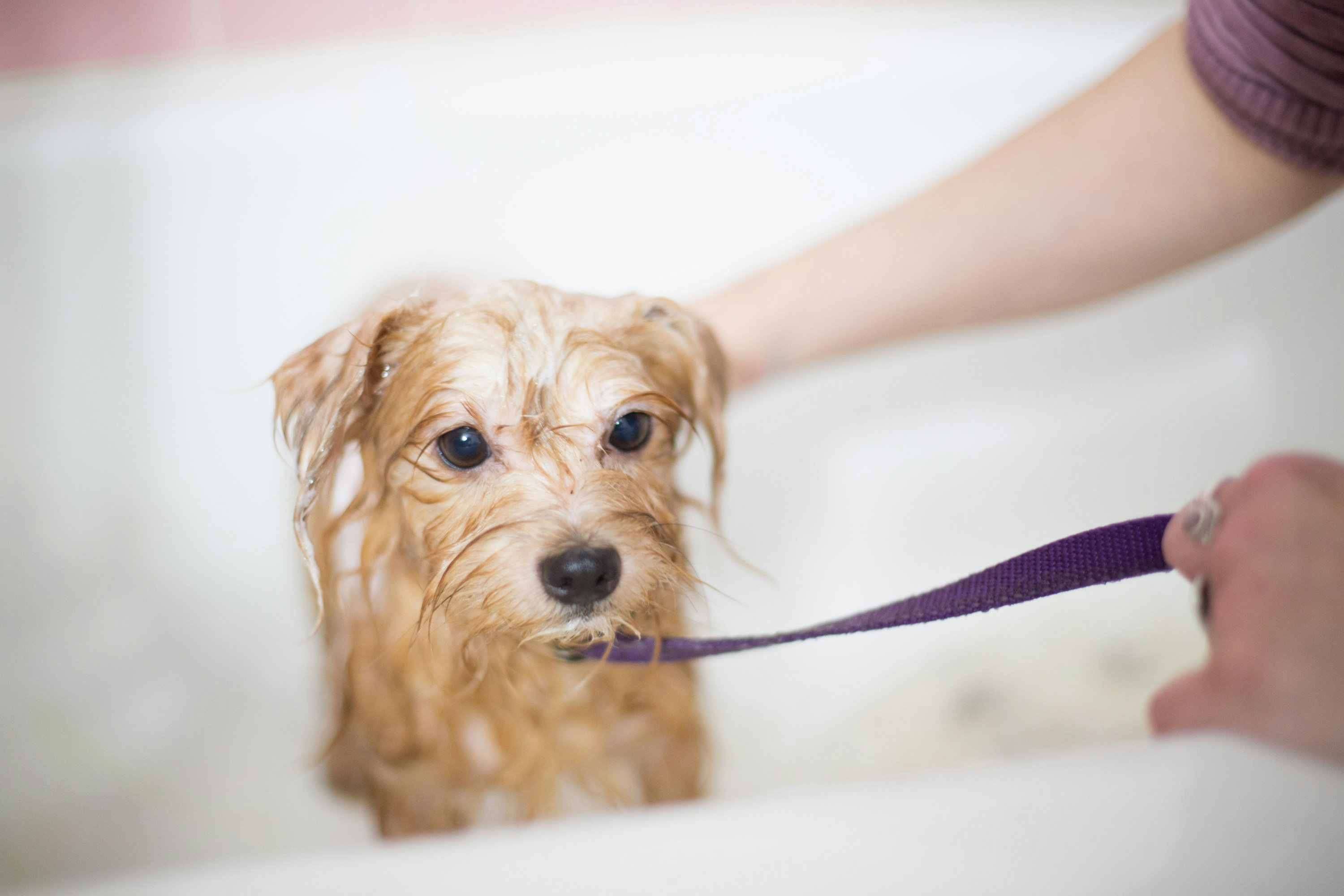
Why Bathing Your Dog Too Frequently Can Harm Their Skin More Than You Think
Choosing the right time for a canine bath not only improves your pet's smell and appearance but also protects the health of their skin and coat. A well-executed bath removes dirt, dead hair, and potential allergens, helping to prevent irritations and infections. However, overdoing the frequency or using inappropriate products can damage the skin's natural barrier, causing dryness and discomfort that are hard to reverse.
Many owners think that frequently bathing their dog equates to better hygiene, but the reality is more complex: a dog's skin is up to five times thinner than human skin and reacts differently to contact with water and cleaning products. For example, using human shampoo in a weekly bath can alter the canine skin's pH in just two or three applications, leading to itching and flaking.
That said, understanding your dog's specific bathing needs—considering their breed, coat type, and activity level—is key to establishing a healthy routine. A useful guideline: consult your veterinarian and watch for signs like persistent odor, visible dirt, or discomfort when scratching to adjust the ideal bath frequency.
Bath Preparation
Choose a calm and safe place to bathe your domestic dog, such as a bathtub, shower, or large container, and place a non-slip mat or towel to prevent slipping.
Gather the basic materials: dog shampoo (do not use human products), a brush suitable for their coat, an absorbent towel, a dryer on cool or warm mode, cotton to protect the ears, and treats to reinforce good behavior.
Brush the coat before wetting it to remove knots and dead hair, which facilitates cleaning and prevents difficult tangles after the bath. Ensure the water is lukewarm (36-38 °C) to avoid skin discomfort or nervousness.
If your dog appears restless, allow them to explore the materials and reward them for staying calm. This preparation helps reduce stress and makes home dog bathing safer.
Step-by-Step Bath Process
To know how to bathe a dog correctly, start by wetting their coat from the paws upward, using a jug or shower with low pressure. Avoid getting water in their eyes and ears; you can cover their head with a small towel to protect these sensitive areas.
Apply dog shampoo in small amounts and distribute it with your hands or a soft brush, massaging in circles. Pay special attention to paws, abdomen, and tail. If your dog has long hair, gently detangle with your fingers during the lathering.
Rinse thoroughly with plenty of water to remove all the foam, separating the coat with your hands to avoid residues that could irritate the skin. Dry well with an absorbent towel, pressing without rubbing, and then use a dryer on cool or warm mode about 30-40 cm away, moving it constantly. If you prefer natural drying, choose a place without drafts and supervise your dog until they are completely dry.
Practical tip: have treats on hand and offer them at the end of each stage to make the home dog bath a positive experience. Avoid using hot air or leaving moisture in the ears, as both can cause health issues.
Post-Bath Care
Checking and drying your dog well after the bath is key to avoiding skin problems and ensuring their well-being. First, use a clean absorbent towel to remove most of the water, paying attention to areas between the toes and behind the ears, where moisture tends to accumulate. In long-haired dogs, brushing right after the initial drying helps prevent tangles and allows better air circulation through the coat, reducing the risk of fungi.
A step many forget: examine the dog's skin for irritations, redness, or lumps. If you notice anything unusual, consult the veterinarian before applying any product. Also, take the opportunity to check the dog's nails; the bath usually softens them, making a safe cut easier if necessary (on average, a quick check takes less than five minutes).
If you used a hairdryer, keep it at a low temperature and in constant motion, without bringing it closer than 30 cm to the body. Never direct the air directly at the face or ears. To prevent moisture from causing otitis, gently dry the ears with a sterile gauze, without inserting anything into the ear canal. As a practical note, some dogs shiver after the bath: placing an extra towel over their back helps retain heat until they are completely dry.
Conclusion
Mastering the home bathing routine involves more than just cleaning: it's about knowing your dog's coat and skin, anticipating their reactions, and adapting each step according to their particular needs. Consistency and attentive observation not only maintain hygiene but also allow for early detection of health changes. A point to consider is that the experience improves with practice, and each bath brings you closer to understanding what your dog truly needs.