
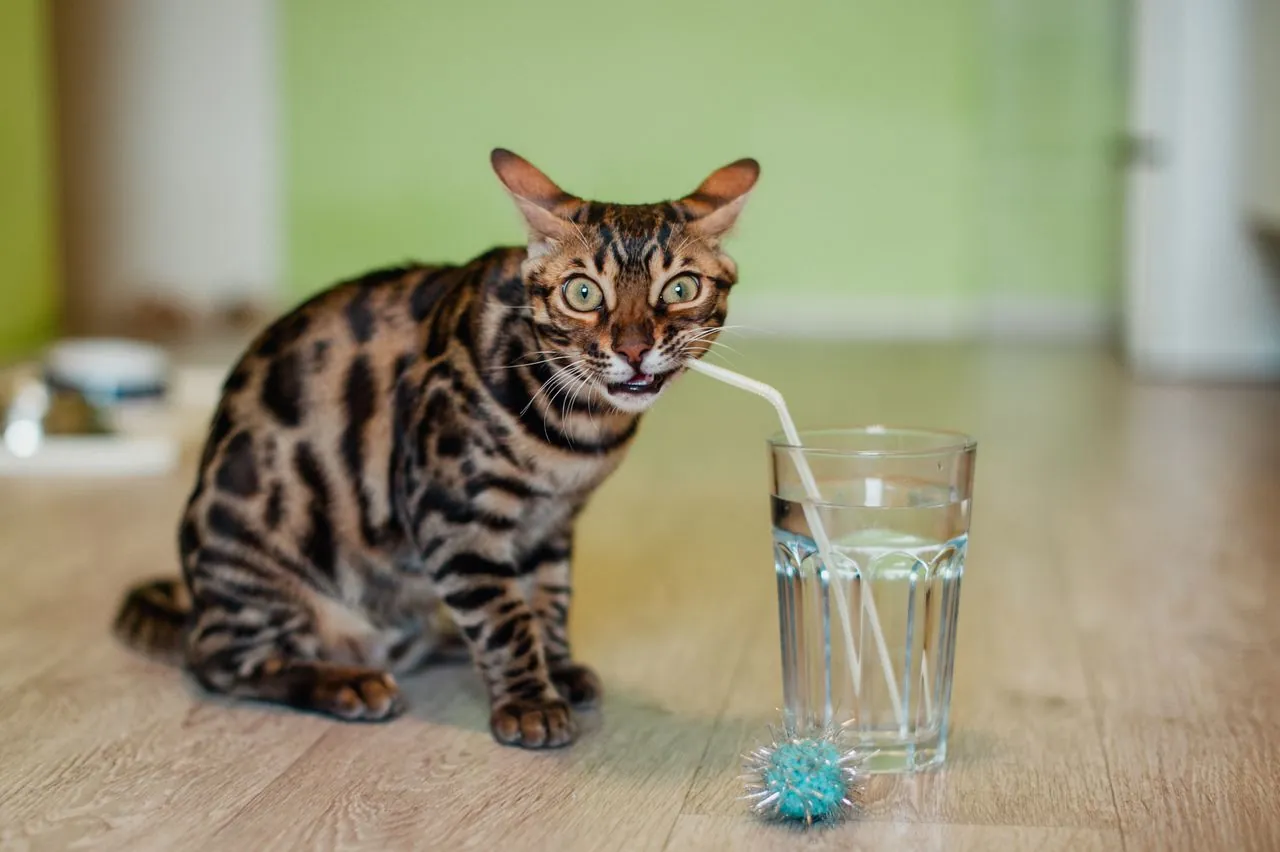
Getting a cat to drink more water is not always as simple as filling a bowl and waiting. Many domestic cats show only moderate interest in water, drink in small amounts, or change their habits depending on location, temperature, the type of container, and the diet they receive. For a beginner caregiver, that can create concern quickly, especially when the cat seems to visit the bowl only rarely or mainly eats dry food. The good news is that, in many cases, simple adjustments can improve hydration without turning it into a daily struggle.
It also helps to begin with one clear idea: if a cat seems to drink little, that does not always mean there is an immediate problem, but it does justify closer observation of the context. Cats often spread their intake across several short visits, are sensitive to subtle environmental changes, and may show strong preferences. So rather than looking for one single trick, it is usually more useful to understand which factors encourage water intake, which mistakes make it harder, and at what point low interest stops being a harmless habit and deserves veterinary attention.
Why many cats drink less than people expect
Cats have a particular relationship with hydration. Part of that pattern comes from their biological history: they descend from animals adapted to getting an important share of water through prey. In a domestic setting, that means a cat may not show the same obvious urge to drink as some other species, especially if daily life is quiet or if the cat takes small amounts throughout the day. For a beginner caregiver, that pattern can look insufficient even when the cat is still within its own usual rhythm.
Even so, not every context is the same. A cat that eats mostly dry food, lives in a warm environment, or shows little interest in activity may need more support to stay well hydrated. There are also cats that seem to reject water not because they do not need it, but because they dislike the bowl, feel uncomfortable with the location, or find the water no longer fresh enough. Understanding that helps avoid an overly simple interpretation: the cat is not always drinking little out of whim, but because something in the routine is not inviting more intake.
The bowl and its location can make a real difference
One of the easiest and most useful changes is often to review where the water is placed and what kind of bowl is being used. Some cats prefer wide, shallow, stable containers because they can drink without brushing their whiskers too much. Others seem reluctant if the water is placed next to the litter box or too close to food. From a human point of view that can look minor, but for a cat that is sensitive to its surroundings, these details can influence how often it approaches the water.
Location matters as well because even a good bowl does not help much if it sits in a busy, noisy, or uncomfortable area. Many cats do better when they have several water points in the home rather than a single fixed bowl. That does not mean scattering containers everywhere without thought. It means trying calmer, more accessible spots and observing which ones lead to spontaneous visits. When access is easy and the surroundings feel safe, some cats increase their intake without needing more complex changes.
How to make water more appealing without overcomplicating things
Freshness matters more than many people expect. Replacing the water regularly, cleaning the bowl well, and avoiding long hours near heat sources are basic measures that sometimes improve intake by themselves. In other cases, moving water seems more interesting than a still bowl, which is why some cat fountains encourage more curiosity and drinking. The key is not to assume that every cat needs a fountain, but to observe whether movement appears to attract that individual cat more.
It can also help to separate the act of drinking from the moment of eating. Some cats approach water more often when it appears in different areas and not only next to food. Others respond well to predictable routines, such as finding refreshed water at the same times each day. For a beginner, the important thing is not to turn every adjustment into a chaotic experiment. It usually works better to change one or two variables at a time and observe for several days, because the best strategy is often the simplest one the cat accepts consistently.
Diet also affects hydration
Not all feline hydration depends on the bowl. The type of diet changes the whole picture. Cats that eat wet food take in part of their water through meals, while those fed mainly dry food depend more on direct drinking. That does not mean one format is automatically better than the other in every situation, but it does mean that diet composition affects how much the cat needs to drink in order to stay balanced.
When a veterinarian considers it appropriate, introducing or increasing the proportion of wet food can be a useful measure within a broader plan. For a beginner caregiver, that should not mean making sudden changes or mixing products without a reason. It means understanding that hydration can also be supported through feeding. If the cat accepts wet food well and it fits the animal's needs, the problem of “drinking little” may look very different when the whole routine is considered instead of the bowl alone.
Common mistakes when trying to increase water intake
One of the most common mistakes is insisting so much that the process becomes uncomfortable for the cat. Bringing the bowl to the cat's face, following the cat around to encourage drinking, or changing strategies several times a day usually creates more resistance than interest. It is also common to interpret every short visit to the bowl as insufficient without actually observing total intake across the day. In calm, discreet cats, part of the water consumption may go unnoticed if the caregiver only looks occasionally.
Another frequent error is relying on one miracle change. Sometimes a fountain is bought, the bowl is moved, or the water is relocated and, if the cat does not respond immediately, the conclusion is that “nothing works.” In reality, feline hydration often improves when the environment is adjusted coherently: better placement, more than one water point, good bowl hygiene, a reviewed diet, and enough observation to detect real preferences. Several small useful decisions usually do more than one dramatic measure.
Signs that deserve veterinary attention
Although many situations improve with simple adjustments, it is not wise to normalize every drop in water intake. If the cat almost stops drinking, eats less, vomits, seems more withdrawn, urinates less, or shows signs of discomfort, this should no longer be treated as a matter of preference. Consultation should also not be delayed if the cat has urinary history, kidney disease, advanced age, or another condition in which hydration plays a particularly important role.
The central idea is this: helping a cat drink more at home is a good preventive strategy, but it does not replace professional assessment when there are marked changes in general condition. A cat that seems somewhat less interested in water but remains active and stable may benefit from routine adjustments. A cat that also changes appetite, energy, or elimination patterns needs a more complete evaluation.
FAQ
Is it normal for my cat to drink little if it eats wet food?
It can be perfectly normal for a cat that eats a significant amount of wet food to visit the bowl less often than a cat fed mostly dry food. Part of the needed water already comes through meals, so the visible act of “drinking from the bowl” does not always reflect total hydration. That is why, when judging whether the cat drinks too little, it also helps to consider the diet, urination pattern, and whether the overall condition remains stable.
Even so, wet food does not make water irrelevant. The cat should still have easy access to clean, fresh water every day. If low drinking appears together with poor appetite, lethargy, or urinary changes, the explanation should not be limited to diet alone.
Is a fountain better than a regular bowl?
That depends on the cat. Some show more interest in moving water and, in those cases, a fountain can help a lot. Others drink just as well from a wide, clean bowl as long as it is well placed and the water is refreshed often. A fountain is not a mandatory or universal solution, but an option that may fit some cats that are more curious or more sensitive to water freshness.
If a fountain is tested, it helps to watch whether it actually increases visits or intake rather than assuming the change will be automatic. It also needs proper cleaning, because an unhygienic device can quickly lose the effect people were hoping for. The best system is the one the cat uses comfortably and consistently.
When should I worry if my cat drinks little?
It deserves more attention when the lack of interest in water appears suddenly or comes with other changes. A cat that has always drunk modestly but eats well, urinates normally, and stays active may simply have a stable pattern that only calls for preventive adjustments. In contrast, if intake clearly drops and at the same time there is lethargy, vomiting, reduced appetite, or urinary changes, consultation is warranted.
It is also wise to be more cautious with older cats or with those that have urinary or kidney history. In those cases, even modest changes may matter. The best reference is not a general idea of how much a cat should drink, but what has been normal for that individual cat and what has started to change.