
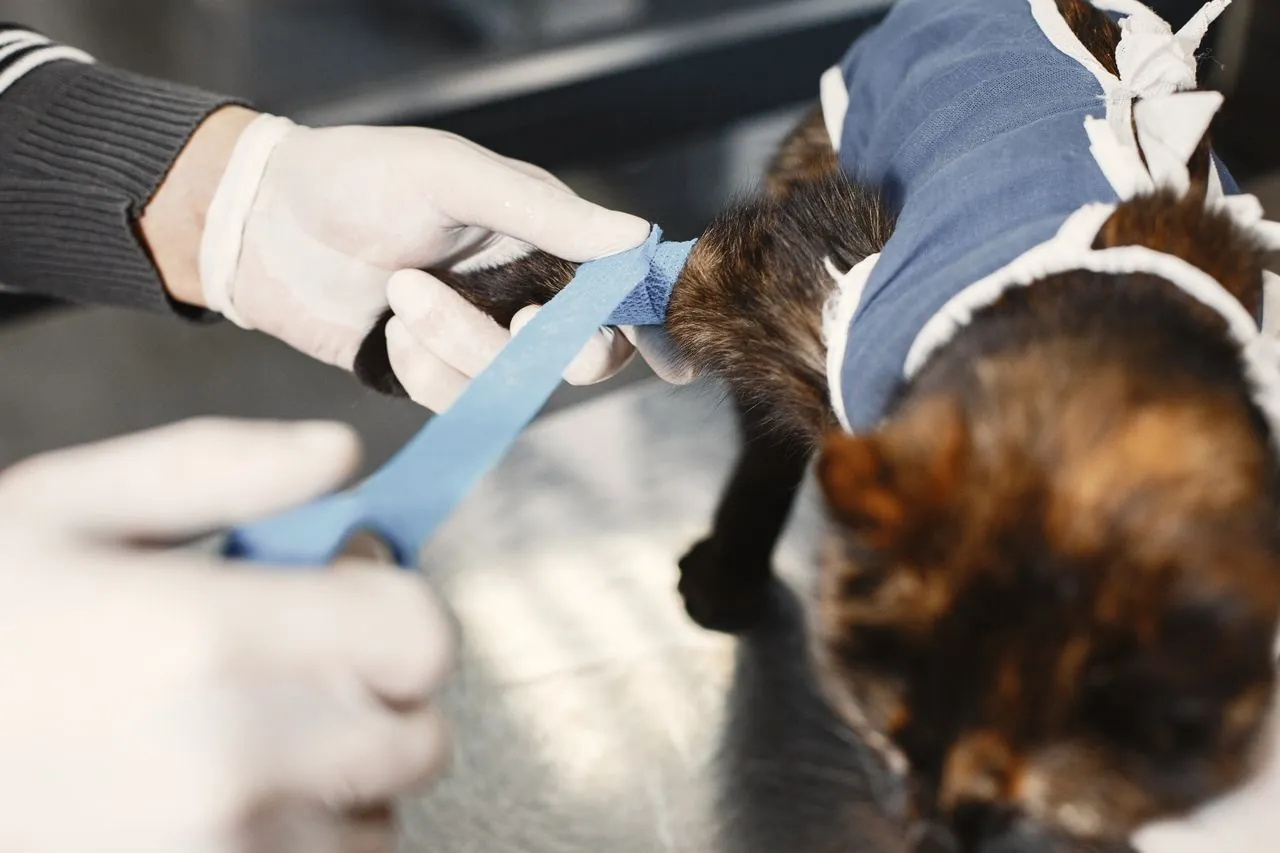
Cat sterilization is one of the most common health decisions in life with domestic cats. Even so, many people still approach it with uncertainty: when it should be considered, what really changes afterward, whether it affects the cat's personality, and what kind of recovery care is needed. Understanding the procedure more clearly helps people make better-informed decisions and avoid unrealistic expectations.
In general terms, sterilization prevents reproduction through a veterinary procedure. In females and males, the technique may differ, recovery may not look exactly the same, and the goals are not limited to preventing litters. It is also often connected to the prevention of some reproductive health problems and to the reduction of certain hormone-related behaviors. For a beginner caregiver, the most useful thing is not memorizing technical language, but understanding what sterilization addresses, what it does not address, and why daily care still matters afterward.
What it means to sterilize a cat
When people talk about feline sterilization, several terms are often folded into one general idea. In practice, the surgery usually involves removing the reproductive glands and, in many females, additional reproductive structures depending on clinical judgment. That is why the veterinarian will often explain the procedure differently depending on whether the patient is a female or male cat, how old the animal is, how its general health looks, and whether any previous condition requires an adjusted plan.
For the caregiver, the key point is that this is not only about "making sure the cat cannot have kittens." It is a surgical procedure with a common medical indication, preparation, anesthesia, pain control, and follow-up care. Presenting it as trivial can lead to poor recovery management; presenting it as automatically traumatic can distort the picture in the opposite direction. The most useful reference point is usually a direct conversation with the professional who will assess the animal.
When it is usually considered and what factors matter
There is no single correct age for every cat. Recommendations can vary according to sex, body development, home context, whether the cat lives indoors or has outside access, and the veterinarian's assessment. In some cases the procedure is considered early; in others, the team may wait until the cat reaches a suitable point according to growth or clinical circumstances. What matters is avoiding decisions based only on rumors or other people's experiences, because individual cats can differ in meaningful ways.
Besides age, the veterinary team may consider weight, medical history, the presence of heat-related signs, contact with other cats, and whether the home can support a calm recovery period. A well-planned surgery usually starts before the day of the operation, with a clinical check, fasting instructions when needed, and a clear explanation of aftercare. For a beginner, that preparation often reduces anxiety and makes it easier to know which questions should be asked in advance.
Likely benefits for health and daily life
One of the best-known reasons to sterilize a cat is preventing unwanted reproduction. However, the scope of the procedure goes further. Depending on the case, it may help reduce the risk of some reproductive problems and decrease certain behaviors linked to sexual hormones, such as roaming, intense vocalization, or urine marking. That does not mean every behavior disappears completely or that the cat becomes a different animal, but it can make some daily patterns easier to manage.
It also helps to view the topic through the lens of responsible coexistence. In multi-animal homes, in environments with outside access, or in situations where managing a litter would be difficult, sterilization becomes part of care planning. Still, it should not be sold as a magical fix for every behavior issue. If a cat is stressed, in pain, poorly enriched, or living in an unstable environment, those factors still need attention even after surgery.
What does not change and which expectations need adjusting
One common assumption is that a cat will become "a different animal" after sterilization. That expectation is usually too simplistic. The surgery may influence hormone-related patterns, but it does not erase individual temperament or solve socialization, boredom, or handling problems on its own. A shy cat does not automatically become confident, and an active cat does not stop needing play, routine, and stimulation just because sterilization has been performed.
It also helps to remember that some changes take time. Tissue needs to heal, the body needs to readjust, and some behaviors do not disappear overnight. For that reason, quick conclusions in the first days are rarely useful. Rather than expecting dramatic transformation, it is usually better to observe whether the cat is eating, resting, using the litter box, and gradually returning to usual behavior within the limits the veterinarian has described.
Recovery at home and basic care
After surgery, the main goal is to help the cat return to normal with as little stress as possible. That usually means relative rest, incision monitoring, correct use of prescribed medication, and watching appetite, water intake, elimination, and activity level. It is also common to limit jumping, rough play, or excessive licking of the surgical area for a few days. A quiet, clean, easy-to-monitor space usually makes recovery smoother.
For beginner caregivers, the most important rule is to follow specific instructions instead of improvising. It is not a good idea to offer unprescribed medicine, handle the incision unnecessarily, or assume that every striking change is normal. Some temporary sleepiness, lower movement, or mild appetite changes may occur early on, but some signs should trigger contact with the clinic: bleeding, marked swelling, repeated vomiting, obvious pain, persistent lethargy, or trouble urinating. Recovery is often manageable when observation is careful and responses are timely.
Feeding, weight, and medium-term follow-up
After sterilization, some cats may show changes in appetite or energy use. That does not mean every cat will gain weight, but it does mean feeding and activity deserve somewhat closer attention. Keeping portions poorly adjusted, reducing play, or failing to monitor body condition can make excess weight more likely over time. The answer is usually not abrupt restriction, but a thoughtful adjustment of routine and, when needed, a review of the feeding plan.
Medium-term follow-up is also a reminder that sterilization does not replace other health foundations. Veterinary checkups, adequate hydration, environmental enrichment, litter box hygiene, and behavior observation remain just as important. In practical terms, the surgery can be part of a strong care plan, but that plan still depends on stable routines and on the caregiver's ability to notice changes in daily life.
FAQ
At what age is a cat usually sterilized?
The exact timing can vary according to the animal's development and veterinary assessment. Not every cat reaches the most appropriate moment at the same pace, and factors such as sex, body condition, home context, and the presence or absence of reproductive signs can all matter. That is why rigid internet rules are less useful than an individualized recommendation.
The main point is not to wait until a problem appears before asking about the topic. Bringing it up during a routine visit allows time to plan, understand the steps involved, and decide when the procedure fits best within the cat's overall care.
Does sterilization change a cat's personality?
It does not usually change the cat's core personality. What may change are some patterns linked to sexual hormones, such as marking, certain vocalizations, or restlessness related to seeking a mate. That does not turn the cat into a different individual, nor does it replace environmental management when stress or poor enrichment is part of the picture.
In practice, a moderate adjustment in some patterns is more realistic than a complete personality shift. If behavior problems exist before surgery, it still makes sense to observe the wider context and ask for help if needed, instead of expecting sterilization to solve everything by itself.
What care does a cat need after surgery?
The cat usually needs relative rest, medication as prescribed, daily wound checks, and a calm environment where it does not need to jump or overexert itself. It also helps to monitor whether the cat eats, drinks, uses the litter box, and stays reasonably alert during recovery. When incision protection is recommended, that also becomes part of the plan.
It is equally important to know which signs should not be normalized. If there is major swelling, bleeding, obvious pain, prolonged lethargy, repeated vomiting, or trouble urinating, veterinary advice should not be delayed. Postoperative care works best when the routine is clear and changes are observed concretely.
Does sterilization prevent every behavior problem?
No. It can help with behaviors that have a clear hormonal component, but it does not automatically fix fear, boredom, inter-cat conflict, lack of play, or environmental stress. If a cat lives in a poor or unpredictable environment, surgery does not replace the need to improve that context.
Thinking of sterilization as one part of care, rather than a total solution, usually leads to better decisions. That makes it easier to combine the procedure with enrichment, routine, observation, and professional support when behavior questions remain.