
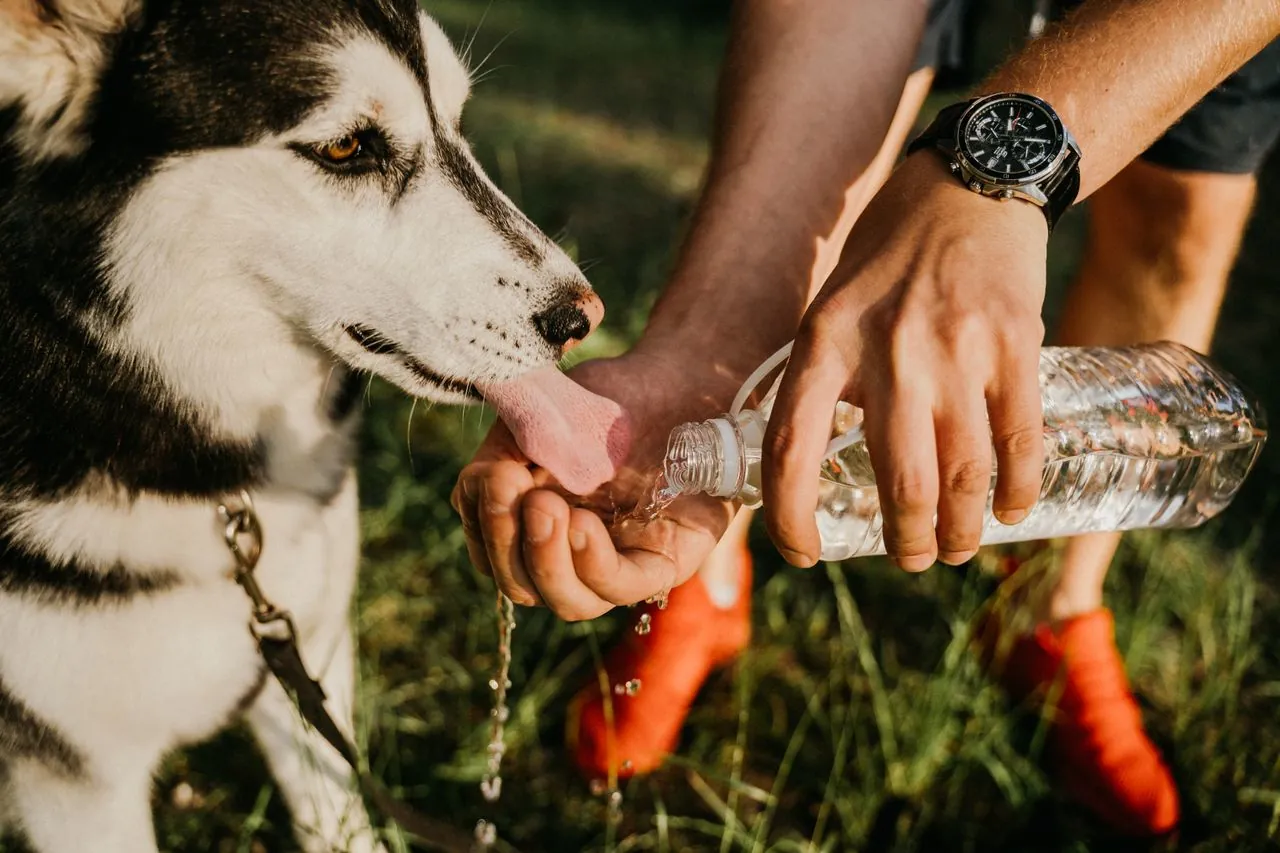
When temperatures rise, hydration stops being a minor detail and becomes part of basic daily care. In summer, a pet may lose fluids more easily because of panting, activity, sun exposure, or simply spending more time in a warm environment. For a beginner caregiver, the challenge is usually not doing something complex. It is watching more closely, offering water consistently, and not waiting until obvious discomfort appears.
It also helps to start from one simple idea: drinking does not look the same in every pet. An active outdoor dog, a cat that drinks in short visits, a rabbit that is sensitive to heat, or an older animal with less initiative may all need different support. Instead of looking for one universal rule, it is usually more useful to understand which factors encourage hydration, which changes deserve attention, and which practical steps reduce risk on very hot days.
Why hydration matters more in summer
Water matters all year, but summer puts more pressure on the body. In hot weather, the body has to regulate temperature more actively, and that means fluid balance becomes more important. In dogs and cats, for example, panting, seeking cooler spots, and reduced tolerance for intense exercise are part of that adjustment. If that is combined with long walks, travel, patios, poorly ventilated rooms, or routines that stay the same even when the weather changes, the margin for dehydration becomes smaller.
Proper hydration does more than support temperature control. It also helps maintain normal body function, comfort, and recovery after activity. The difficulty is that a pet does not always show early discomfort in an obvious way. Waiting until the animal is clearly exhausted, unusually still, or visibly overwhelmed is a poor strategy. In summer, prevention is usually safer than correction.
Not every pet drinks in the same way
One common mistake is assuming that every pet will approach the water bowl with the same frequency. That is not how it works. Some animals drink small amounts many times a day, while others take in more water at specific moments. Body size, diet, age, activity level, coat type, home environment, and species all matter. A pet that eats wet food, for example, already gets part of its water through meals, while one on dry food often depends more heavily on direct drinking.
This does not mean a beginner needs to fixate on an exact number without context. It is usually more useful to understand the individual pet's normal pattern and notice when it changes. If a pet used to drink after a walk and now avoids water, if it once showed interest in the bowl and now barely looks at it, or if it remains unusually indifferent to water even on hot days, that deserves attention. Specific habits often tell more than a disconnected average.
Early signs that something may be wrong
Dehydration does not always begin with a dramatic crisis. Sometimes it starts with quieter changes: less interest in moving, more time spent searching for cool surfaces, persistent panting, a drier mouth than usual, reduced interest in walking or playing, or a flatter mood overall. In cats and small mammals, the clue may simply be reduced activity or curiosity. The important point is not to dismiss those changes as ordinary summer laziness without looking at the wider context.
If vomiting, diarrhea, very labored breathing, marked weakness, disorientation, or complete refusal of water appear as well, the situation should no longer be treated as a routine household question. Those signs can be linked to significant dehydration or heat-related illness and deserve veterinary assessment. Severity depends not only on the outside temperature, but also on how quickly the animal changes and whether it improves after moving to a cool, quiet area.
How to make drinking easier
The most effective measures are often simple. First, make sure clean, fresh water is available in more than one spot if the pet moves through different areas of the home. A single bowl that is far away, warm, or awkward to reach does not help much. In summer it also makes sense to check the bowl more often, because water becomes less appealing when it warms up, collects debris, or sits in direct sun for hours. Some animals prefer a wide, stable bowl; others simply drink more when there are several easy options.
Routine also matters. Offering water after a walk, after play, after a short trip, or when the pet returns to a cooler room makes it easier to replace fluids at moments when drinking already feels natural. At home, shade, airflow, and reduced activity during the hottest hours help as much as the bowl itself. Hydration depends not only on water being present, but on an environment that does not push the animal toward overheating.
Food, treats, and other supports without improvising
In some cases, diet can support hydration, but it should be handled with restraint. Pets that already eat wet food receive part of their water through that route, and in summer that may be helpful within a balanced routine. There are also situations in which offering a small amount of water alongside familiar food, or using very moist treats that are appropriate for the species, can increase total intake. The key is to avoid sudden changes or improvised foods just because they sound refreshing.
Ice cubes, fruit, homemade frozen treats, or special mixes should be approached carefully. Some pets tolerate them well and others do not, and not everything that seems harmless is suitable for every species or every digestive system. For a beginner, the best rule is simple: if a strategy creates more confusion than clarity, return to the basics. Fresh water, adjusted schedules, a cooler environment, and steady observation usually solve more than eye-catching tricks.
Common mistakes worth avoiding
A common mistake is keeping the same walking or play intensity as in mild weather and assuming the pet will simply drink afterward. In summer, waiting until the end may be too late, especially for brachycephalic animals, older pets, very young animals, those with excess weight, or those not well adapted to heat. Another frequent error is leaving water available without checking whether the animal is actually using it. A full bowl is not the same as good hydration if the pet does not approach it, if the water is too warm, or if the surrounding environment is uncomfortable.
It is also worth avoiding extreme responses. Forcing a pet to drink, wetting the animal without considering whether that increases stress, or assuming every episode of panting is normal just because it is summer can all interfere with good judgment. The goal is not invasive intervention. It is creating conditions that help the animal regulate better and noticing early when that is not happening. Summer care usually works best through anticipation and consistency, not rushed reactions.
When to contact a veterinarian
There is no need to wait for an obvious emergency before asking for guidance. If a pet has been drinking much less than usual for a day or two, if hot weather overlaps with digestive upset, if the animal takes medication, is geriatric, or has a previous illness, it makes sense to check in before the situation becomes more complicated. Any moment when the caregiver cannot tell whether they are seeing simple heat-related tiredness or a genuine change in general condition is also a reasonable point to ask for help.
Veterinary advice becomes especially important when signs suggest heat stroke or meaningful dehydration: very intense breathing, weakness, collapse, dry gums, repeated vomiting, or failure to recover after resting in a cool place. In those cases, time matters. Moving the animal to a ventilated, calm area may be a reasonable first step, but it does not replace professional care when the overall condition is clearly altered.
FAQ
How can I tell whether my pet is drinking enough?
The most useful reference is the pet's usual pattern on comparable warm days. Some animals drink a little at a time but visit the bowl often, while others take in more water after walks, meals, or play. If overall behavior stays stable, urination does not change in a striking way, and activity does not drop suddenly, there is usually more room to think of normal summer adjustment than an acute problem.
Even so, observation should not focus on the bowl alone. It also helps to notice whether the pet is searching for cool hiding spots more than usual, panting more than expected, seeming flat, or rejecting routines it normally tolerates well. When several of those signs appear together, water intake stops being the only important measure and the whole picture matters more.
Is very cold water a good idea?
In general, the goal is water that feels fresh and pleasant, not icy. Very cold water rarely provides a meaningful advantage, and some pets reject it or drink it less comfortably. For most beginner caregivers, it is enough to refresh the bowl several times a day, keep it in the shade, and avoid leaving it for long periods in very hot areas.
If a pet seems to prefer water that is a bit cooler, that may be reasonable as long as it does not become an extreme change. The main priority is access and intake, not chasing a perfect temperature. In summer, steady small measures usually work better than attention-grabbing solutions.
What should I do if my pet drinks very little outside the house?
It is fairly common for some animals to drink less on the street, during travel, or in stimulating environments. In those situations, it helps to offer water during quiet breaks, use a container the pet already knows, and lower activity before insisting. Sometimes the problem is not the water itself, but the fact that the environment is too exciting or uncomfortable for the animal to pause and drink.
If that reluctance happens only outside, better planning of schedules and outing length on hot days may be enough. If it also appears at home or comes with lethargy, vomiting, or altered breathing, it stops being a simple context preference and deserves veterinary advice. The difference between a minor habit and a warning sign is often found in what happens during the rest of the day.