
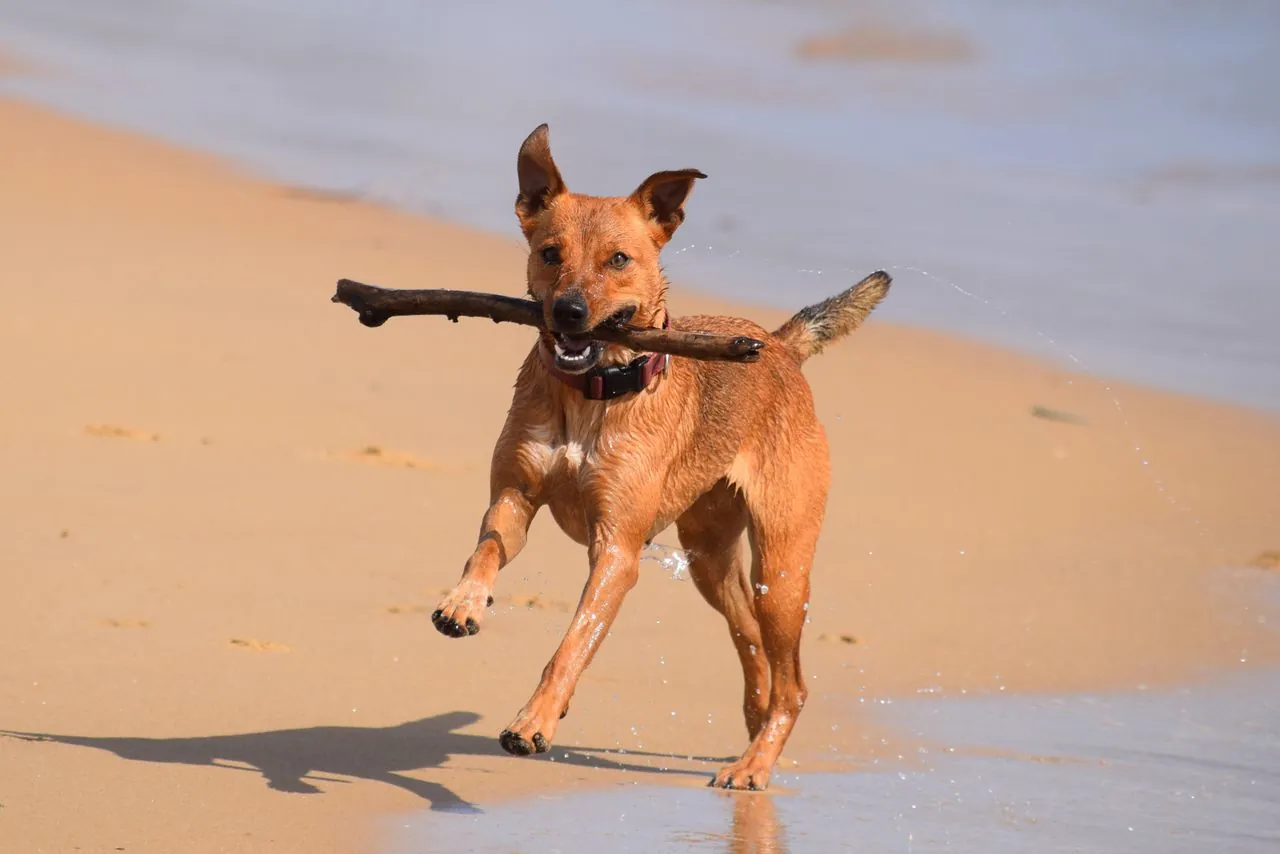
Going to the beach with a dog can be enjoyable, but it is not always as simple as bringing a towel and letting the dog run. The environment is very different from an ordinary walk: there is more heat, salty water, sand, stronger stimulation, other people, and sometimes specific rules about hours or allowed areas. For a beginner caregiver, the main goal is not to create a perfect outing, but to understand what the dog needs to stay comfortable and when it is better to shorten or cancel the plan.
It also helps to remember that dogs do not all experience the beach in the same way. Some enjoy the water and open space; others become uneasy because of noise, wind, or the presence of many people and dogs. That is why safety and observation matter more than entertainment at first. Good preparation, controlled exposure, and the ability to notice signs of fatigue usually make a bigger difference than any accessory.
Before leaving home: first decide whether the plan makes sense
Before heading to the beach, it is worth checking one basic point: whether that outing fits the dog's physical condition, temperament, and previous experience. A dog that handles heat reasonably well, comes back when called, and moves comfortably in new places may adapt more easily than one that is very fearful, impulsive, or sensitive to high temperatures. It also matters to confirm whether dogs are allowed, during which hours, and under what rules. Skipping that step can turn a simple plan into an uncomfortable situation for everyone.
Not every day is suitable either. If the weather is extremely hot, the sand burns, the surf is rough, or the dog is recovering from digestive upset, an injury, or veterinary care, another activity may be the better choice. A beach visit is not a requirement of good care. In many cases, deciding not to go is also part of responsible care.
What to bring so the visit does not rely on improvisation
Short outings are easier when the basics are already planned. The dog needs enough fresh water, a bowl, a leash, waste bags, a towel, and, if the stay will last more than a few minutes, actual shade. Dogs with short coats, sensitive skin, or poor tolerance to sun may also need especially limited direct exposure during the hottest parts of the day. The point is not to carry a huge bag of gear, but to avoid depending on whatever happens to be available on the beach.
Updated identification also matters, and it helps to think about the trip home before leaving. An extra towel, some water to remove part of the salt or sand, and a place in the car where the dog does not need to stay damp for too long can make a real difference. When everything is improvised, it becomes easier to miss small signs of thirst, tiredness, or discomfort.
How to manage the timing to avoid overheating and exhaustion
One common mistake is assuming that, because the dog looks excited, it can stay in the sun or keep playing for as long as it wants. Many dogs continue running or exploring even when they are already building up heat, fatigue, or overstimulation. That is why it often works better to think in short blocks, with regular breaks for water, shade, and observation. First visits, especially for inexperienced dogs, usually go better when they are brief.
Timing matters as much as duration. Early morning or late afternoon is often easier than the middle of the day. Even then, it is not enough to look at the clock. It helps to touch the sand, watch breathing, and notice whether the dog remains coordinated, attentive, and willing to drink. Heavy panting, sudden slowness, frantic shade-seeking, or confusion are reasons to end the outing quickly.
Sea bathing and shoreline play: not every dog wants the same thing
Some dogs enjoy getting into the water and some do not. Neither response is a problem. Forcing a dog into the sea, dropping it into deep water, or insisting when it is clearly avoiding the experience can make the beach negative very quickly. A better approach is to let the dog choose the pace from the shoreline and see whether it steps forward confidently, backs away, or prefers to stay on the sand.
It is also important to watch how much sea water the dog swallows while playing or swimming. Repeated salt water intake can irritate the digestive tract and lead to vomiting, diarrhea, or general discomfort. If the dog is retrieving toys in the water or biting at foam and waves over and over, it usually makes sense to stop the game, offer fresh water, and switch to something calmer.
Sand, sun, and other common risks that are easy to underestimate
A beach combines several small risks that can add up if nobody is paying attention. Very hot sand can irritate or burn the paw pads. Wind can blow sand into the eyes or ears. Leftover food, hooks, broken shells, or hidden trash can also become real hazards in some places. From a distance, the dog may simply look entertained, but that does not mean the environment is safe without supervision.
Sun exposure and ambient temperature still matter even when water is nearby. A wet dog is not automatically a cool dog, and running on damp sand does not always offset radiation or physical effort. In brachycephalic dogs, older dogs, puppies, or dogs with low exercise tolerance, the safety margin may be narrower. Continuous observation is usually more useful than trusting the dog to regulate everything alone.
When it is better not to go, or to end the plan early
There is no need to wait for an emergency before deciding that an outing is not going well. If the dog is very agitated, not responding, trying to leave, freezing in place, swallowing sand, drinking too much sea water, or showing fatigue sooner than expected, stopping is the sensible choice. The same applies if the beach is too crowded, shade is limited, or the setting makes calm supervision difficult.
It is also worth being cautious with dogs that do not yet handle recall well, become overstimulated around other animals, or are only beginning to experience water. In those cases, a short walk elsewhere, a very brief visit, or a completely different plan may be better. Good care does not mean insisting. It means adjusting the activity to the real dog in front of you.
What to do once you get home
Care does not end when the dog leaves the sand. Once home, it helps to remove salt, sand, and moisture from the coat and skin with an appropriate rinse depending on coat type and how exposed the dog was. It is also useful to check the paw pads, ears, and eye area for irritation, trapped sand, or small discomforts before they worsen. In many dogs, this aftercare prevents problems that are easy to miss during the excitement of the outing.
After that, the main priorities are rest, water, and calm observation for the next few hours. If vomiting, diarrhea, clear lethargy, limping, repeated head shaking, or signs of pain appear, it is sensible to contact a veterinary professional. The beach can be a good plan, but only when recovery afterward is also treated as part of the day's normal care.
FAQ
Can every dog enjoy the beach?
No. Some dogs are comfortable with water, sand, and open space, while others become tense because of noise, wind, crowds, or unstable footing. A dog that does not enjoy the beach is not failing and does not necessarily have a problem. It may simply prefer quieter and more predictable environments.
What matters is the individual response rather than a general expectation. If the dog avoids the area, pants constantly, never settles, or keeps trying to leave, it is usually better to shorten the visit or switch activities. Forcing a leisure plan often creates a worse association with that place.
How long should a dog stay at the beach?
There is no single correct duration for every dog. It depends on temperature, age, exercise tolerance, available shade, and how the dog is responding in that moment. For beginners or very active dogs, a short and well-observed visit is usually more sensible than a long stay just because the place looks fun.
A practical reference is to value quality over quantity. If the dog can rest, drink, breathe steadily, and return home without marked exhaustion, the duration was probably reasonable. If the dog ends the outing overstimulated, uncoordinated, or overexposed to sun, the plan was too long even if it did not seem that way at first.
What should I do if my dog drinks sea water?
First, stop the activity and offer fresh water. Swallowing salty water can irritate the digestive system and, if the amount is high, make the situation worse with vomiting, diarrhea, or a low-energy state. It is not a good idea to simply wait it out if the dog has been repeatedly drinking while playing in the waves or retrieving toys.
Then observe the dog over the next hours. If there is clear discomfort, repeated vomiting, severe diarrhea, lethargy, or any sign that seems out of proportion, veterinary advice is the prudent next step. Prevention is usually straightforward here: frequent breaks, easy access to fresh water, and less direct wave play in dogs that tend to swallow water.
Should I bathe or rinse my dog after the beach?
In many cases, at least a thorough rinse is a good idea. Salt, sand, and prolonged moisture can irritate the skin, dry the coat, or leave residue in sensitive places such as the ears and paw pads. A full bath with products is not always necessary, but removing what the dog brings back from the marine environment usually is.
That cleaning moment also works as a quick body check. While drying the dog, it becomes easier to notice redness, small cuts, trapped sand, or discomfort in specific areas. That simple review is often as useful to the overall plan as the beach visit itself.